1st grade reading passages pdf
Summary
Need engaging 1st grade reading passages? Download free PDFs to help your child build confidence & a love for reading! Perfect for home or school. Reading passages are key!

Article Plan: 1st Grade Reading Passages PDF
First grade reading passages in PDF format are crucial tools for educators and parents, fostering early literacy skills through accessible, printable content.
First grade marks a pivotal year in a child’s reading journey. It’s the time when decoding skills solidify, and students transition from “learning to read” to “reading to learn.” This shift requires engaging materials that build confidence and comprehension. Reading passages specifically designed for this age group are essential, offering controlled vocabulary and relatable themes.
Early reading success isn’t just about recognizing words; it’s about understanding the meaning behind them. First graders benefit from short, focused texts that allow them to practice key skills like identifying the main idea, understanding character development, and making inferences. The town of Reading, with its rich history, can even inspire thematic passages!
Utilizing PDF reading passages provides a convenient and accessible way to deliver these crucial learning experiences, both in the classroom and at home.

Why Use Reading Passages?
Reading passages offer a targeted approach to literacy development, unlike simply reading entire books which can be overwhelming for emerging readers. They allow educators to focus on specific skills, such as phonics, fluency, and comprehension, in a controlled environment. PDF passages are particularly useful because they’re easily printable and shareable.
These focused texts provide opportunities for repeated reading, a proven technique for building fluency. Furthermore, passages allow for differentiated instruction; teachers can select texts appropriate for each student’s reading level. Like exploring the cultural town of Reading, passages offer diverse content.
Consistent practice with reading passages builds confidence and fosters a positive attitude towards reading, setting the stage for lifelong learning. They are a cornerstone of effective first-grade literacy instruction.
Benefits of PDF Format for 1st Grade Reading
PDFs offer unparalleled convenience and accessibility for 1st-grade reading materials. They ensure consistent formatting across all devices – computers, tablets, and smartphones – eliminating potential display issues. This is vital for young learners still developing visual tracking skills. Printability is a key advantage; teachers and parents can easily create physical copies for classroom use or home practice.
PDFs are also easily shareable via email or learning platforms, facilitating communication between school and home. Like the readily available tourism information for Reading, PDFs are easily distributed.
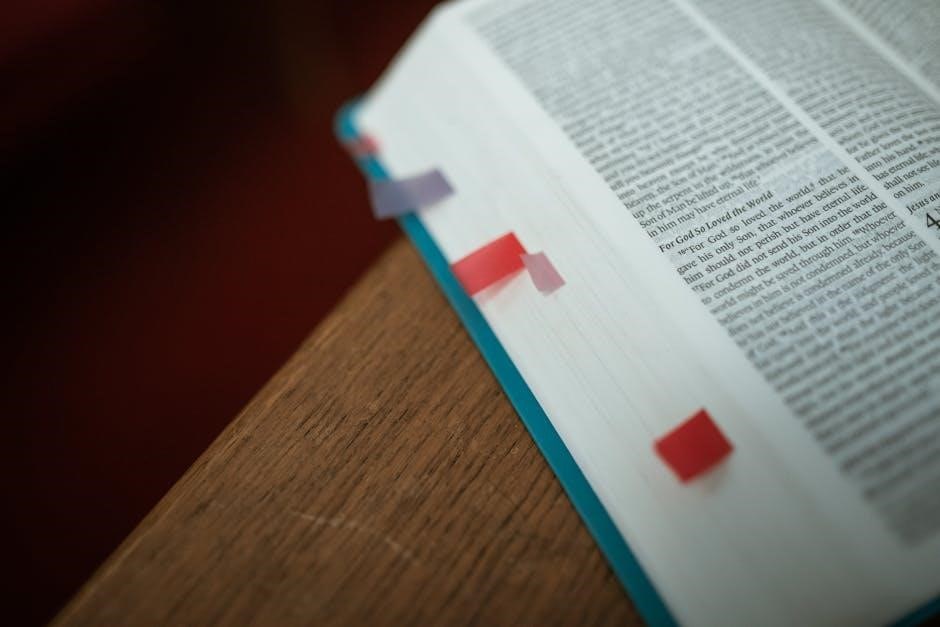
Their compact file size makes storage simple, and many PDFs allow for highlighting and annotation, promoting active reading. This format supports both digital and traditional learning styles.
Finding Free 1st Grade Reading Passages PDF

Locating free, high-quality 1st-grade reading passages in PDF format requires a bit of online searching, but numerous resources exist. Many educational websites offer printable passages designed to build foundational reading skills. Start with websites dedicated to free worksheets and educational materials; these often have dedicated sections for early literacy.
Search engines are your friend! Use specific keywords like “1st grade reading comprehension PDF” or “free reading passages for 1st graders.” Remember to preview the content to ensure it aligns with your curriculum and student needs, much like exploring tourism sites for Reading.
Don’t overlook teacher blogs and online forums; educators frequently share resources they’ve created or curated.
Popular Websites Offering Free Passages
Several websites consistently provide excellent free 1st-grade reading passages in PDF format. K5 Learning offers a wide range of passages with accompanying comprehension questions, catering to different reading levels. Education.com boasts a substantial library of printable worksheets, including numerous reading passages suitable for first graders.
Reading Comprehension for Kids is another valuable resource, specifically focused on building comprehension skills. Super Teacher Worksheets provides a diverse selection of passages, often themed around holidays or seasons. These sites, much like the official tourism site for Reading, offer organized content.
Remember to check the terms of use before downloading and distributing materials.
Utilizing Online Reading Programs with PDF Options
Many online reading programs supplement their interactive lessons with downloadable PDF passages for 1st graders. Raz-Kids, a popular subscription service, allows teachers to assign passages and track student progress, offering printable versions for offline practice. Starfall, known for its engaging phonics games, also provides printable stories and activities.
Epic!, a digital library, features a vast collection of books, many of which can be read online or downloaded as PDFs. These programs, similar to improving reading comprehension with Lingolia, often adapt to a child’s reading level.
The benefit lies in blended learning – digital engagement combined with tangible practice through PDFs.
Key Skills Developed Through Reading Passages
First grade reading passages are instrumental in building foundational literacy skills. Primarily, they enhance reading comprehension, encouraging students to understand and interpret text. Regular practice with passages directly supports phonemic awareness and phonics application, solidifying letter-sound relationships.
Furthermore, passages actively contribute to vocabulary building, exposing children to new words within context. They also foster crucial cognitive skills like sequencing, inferencing, and identifying the main idea.
Consistent engagement with these materials, as emphasized in the National Year of Reading 2026, cultivates a love for reading and sets a strong base for future academic success.
Phonemic Awareness and Phonics Practice
First grade reading passages in PDF format provide excellent opportunities for targeted phonemic awareness and phonics practice. Carefully selected passages can emphasize specific sounds and spelling patterns, reinforcing the connection between letters and their corresponding sounds.
Teachers and parents can utilize passages to focus on CVC words, digraphs, blends, and vowel sounds. Activities like identifying rhyming words within the text, segmenting sounds, and blending sounds are easily integrated.
Lingolia offers reading texts with exercises for beginner levels (A2), ideal for reinforcing these foundational skills. Consistent practice with these passages builds fluency and decoding abilities, essential for confident reading.
Vocabulary Building
First grade reading passages in PDF format are invaluable for expanding a child’s vocabulary. Exposure to new words within context is a highly effective learning method, far surpassing rote memorization.
Passages should introduce age-appropriate vocabulary, gradually increasing in complexity. Pre-reading activities, such as discussing potential new words, can enhance comprehension. Post-reading discussions and activities, like defining unfamiliar terms or using them in sentences, solidify learning.
Lingolia’s reading comprehension exercises, even at the A2 level, subtly introduce new vocabulary. The National Year of Reading 2026 campaign emphasizes the joy of reading, which naturally leads to vocabulary growth.
Reading Comprehension Strategies
First grade reading passages in PDF format provide excellent opportunities to teach essential reading comprehension strategies. These strategies empower young readers to actively engage with the text and construct meaning.
Key strategies include predicting what might happen next, identifying the main idea, and summarizing the story. Asking “who, what, where, when, and why” questions encourages critical thinking. Visualizing scenes and characters also enhances understanding.
Lingolia’s comprehension questions directly support these skills. The focus on improving reading skills, as highlighted by various online resources, underscores the importance of strategic reading. Encouraging students to reread passages and discuss them with peers further strengthens comprehension.

Types of 1st Grade Reading Passages
First grade reading passages in PDF format come in diverse types to cater to varied learning needs and interests. Fiction passages, featuring stories and relatable characters, spark imagination and emotional connection. These narratives often focus on simple plots and familiar themes.
Non-fiction passages, offering informational texts, introduce young learners to factual content about the world around them. These passages build knowledge in areas like animals, plants, and everyday objects.
Poetry passages, with their rhyme and rhythm, enhance phonological awareness and language skills. Exposure to different text types broadens reading experience and comprehension, aligning with the 2026 emphasis on reading for pleasure.
Fiction Passages: Stories and Characters
First grade fiction reading passages in PDF format are designed to captivate young readers with engaging stories and memorable characters. These narratives typically feature simple plots, focusing on relatable experiences like friendship, family, and overcoming challenges.

Characters are often animals or children, allowing for easy identification and emotional connection. The language used is carefully controlled, employing high-frequency words and predictable sentence structures.
These passages foster imagination and creativity, while simultaneously building essential reading skills. They are a cornerstone of early literacy, aligning with the 2026 focus on fostering a love of reading and personalized learning approaches.

Non-Fiction Passages: Informational Texts
First grade non-fiction reading passages in PDF format introduce young learners to the world around them through factual information presented in an accessible way. These texts cover a wide range of topics, such as animals, plants, weather, and community helpers, sparking curiosity and expanding knowledge.
Key features include clear headings, simple sentences, and supporting visuals. The focus is on conveying information directly, building comprehension skills and vocabulary simultaneously.
These passages align with the 2026 emphasis on integrating technology and personalized learning, often serving as a foundation for research projects and further exploration. They are vital for developing informational literacy.
Poetry Passages: Rhyme and Rhythm
First grade poetry passages in PDF format offer a delightful avenue for developing reading fluency and phonological awareness. These short poems, often featuring rhyme and rhythm, captivate young readers and enhance their appreciation for language.
Exposure to poetry builds skills in recognizing patterns, identifying sounds, and understanding the musicality of words. Simple poems with repetitive structures are particularly effective for beginners, boosting confidence and encouraging participation.
Aligned with the 2026 focus on reading for pleasure, poetry passages make learning enjoyable. They support phonemic awareness and contribute to a reading-rich environment, fostering a lifelong love of literature.
Assessing Reading Comprehension
Utilizing 1st grade reading passages in PDF format allows for effective comprehension assessment. Following each passage, incorporating questions is vital to gauge understanding. These assessments help educators and parents track a child’s progress and identify areas needing support;
Various question types can be employed, including multiple-choice, designed to test recall and understanding of key details. Short answer questions encourage students to articulate their thoughts and demonstrate deeper comprehension.
Furthermore, asking children to retell the story in their own words provides valuable insight into their grasp of the narrative. Consistent assessment, facilitated by readily available PDFs, is key to personalized learning approaches in 2026.
Multiple Choice Questions
Employing multiple-choice questions alongside 1st grade reading passages in PDF format is a highly effective assessment method. These questions should focus on key details, the main idea, and character understanding within the passage. Carefully crafted options – including plausible distractors – challenge students to truly comprehend the text.
PDFs allow for easy printing and annotation, enabling students to mark their answers directly on the sheet. This format is particularly useful for quick assessments and tracking progress.
In 2026, integrating technology with these PDFs, such as interactive forms, will further streamline the assessment process and provide immediate feedback. This method supports personalized learning and identifies areas where students need additional support.
Short Answer Questions
Utilizing short answer questions with 1st grade reading passages in PDF format encourages deeper engagement and demonstrates comprehension beyond simple recall. These questions prompt students to formulate their own responses, utilizing evidence from the text to support their answers.
Focus should be on questions requiring brief, concise answers – typically one to three sentences – appropriate for a first-grade writing level. PDFs facilitate easy printing, allowing students to write directly on the passage or a separate answer sheet.
By 2026, digital PDF forms with text boxes will offer a convenient alternative, promoting digital literacy alongside reading comprehension skills. This method fosters critical thinking and strengthens writing abilities.
Retelling the Story
Retelling the story after reading a 1st grade reading passage in PDF format is a powerful comprehension strategy. It assesses a child’s understanding of the plot, characters, and key events in a narrative. Encourage students to recount the story in their own words, focusing on the beginning, middle, and end.
PDFs allow for easy note-taking during reading, aiding in the retelling process. By 2026, interactive PDFs might include prompts or graphic organizers to guide students.
This activity strengthens oral language skills and reinforces sequencing abilities. Teachers can assess comprehension by listening for accurate details and logical story progression, fostering a love for reading.
Creating Your Own 1st Grade Reading Passages
Creating your own 1st grade reading passages in PDF format allows for tailored learning experiences. Teachers can address specific skill gaps or interests of their students, ensuring engagement and comprehension. When crafting passages, focus on a 1st grade reading level, utilizing simple sentence structures and high-frequency words.
Consider topics relevant to children’s lives, like pets, family, or school. Formatting for readability is key – use clear fonts and ample white space. PDFs facilitate easy distribution and printing.
By 2026, AI tools may assist in generating age-appropriate content, but teacher oversight remains vital for quality control and alignment with curriculum goals.
Choosing Appropriate Topics
Selecting engaging topics for 1st grade reading passages in PDF format is paramount for fostering a love of reading. Themes should resonate with six and seven-year-olds, sparking curiosity and making comprehension more enjoyable. Popular choices include animals, friendship, family adventures, and everyday experiences like going to the park or learning at school.
Relatable content builds confidence and encourages students to connect with the text. Avoid overly complex or abstract concepts. By 2026, personalized learning approaches will likely emphasize tailoring topics to individual student interests, maximizing engagement and reading progress.
Writing at a 1st Grade Reading Level
Crafting 1st grade reading passages for PDF distribution requires careful attention to linguistic simplicity. Sentences should be short and declarative, utilizing high-frequency words and avoiding complex grammatical structures. Focus on CVC (consonant-vowel-consonant) words and simple sight words, building upon foundational phonics skills.
Maintain a consistent and predictable sentence pattern. By 2026, technology may assist in automatically assessing readability levels, ensuring passages align with developmental expectations. Remember, the goal is to build confidence, not frustration. Clear, concise language is key to successful early reading experiences.
Formatting for Readability
When preparing 1st grade reading passages as PDFs, prioritize visual clarity. Utilize a large, easy-to-read font – typically 12-14 point – and ample white space. Avoid dense blocks of text; shorter paragraphs are more inviting for young readers. Consider using a sans-serif font like Arial or Comic Sans for improved legibility.
Left-align text for easier tracking. In 2026, interactive PDFs might incorporate features like read-aloud options. Illustrations can enhance engagement, but should complement, not distract from, the text. Consistent formatting throughout the PDF creates a predictable and supportive reading environment.
Printing and Using PDF Passages Effectively
To maximize the impact of 1st grade reading passages in PDF format, select high-quality paper to minimize bleed-through when highlighting. Standard 20lb paper is generally sufficient, but heavier stock enhances durability. Ensure printer settings are optimized for clear text; a draft mode may compromise readability.

Encourage students to actively engage with the text by highlighting key vocabulary or underlining important details. Annotating PDFs digitally, if possible, offers a non-destructive way to practice these skills. In 2026, expect more integrated digital tools. Proper printing and mindful usage elevate the learning experience.
Paper Quality and Font Size
Selecting appropriate paper and font size is vital when utilizing 1st grade reading passages in PDF format. Opt for bright white, smooth paper to reduce visual strain and improve readability for young learners. A weight of 20-24lb is recommended for durability and minimal show-through.
Font size significantly impacts comprehension. A minimum of 12-point font, preferably in a clear, sans-serif style like Arial or Calibri, is crucial. Avoid overly decorative fonts. Consider line spacing – 1.15 or 1.5 spacing enhances readability. In 2026, personalized font adjustments via digital platforms will be common.
Highlighting and Annotating
Encouraging highlighting and annotation within 1st grade reading passages (PDFs) actively engages students with the text. Digital PDF readers allow for virtual highlighting, a skill increasingly important as technology integrates into education by 2026.
For printed passages, crayons or light-colored highlighters are ideal. Teach students to highlight key details, unfamiliar words, or the main idea. Annotating – writing short notes in the margins – reinforces comprehension. Guide them to circle words they don’t understand or draw pictures representing the story. This fosters critical thinking and deeper engagement with the material.
Tracking Student Progress
Consistent tracking of student progress when using 1st grade reading passages (PDFs) is vital for effective instruction. Simple checklists noting completed passages and scores on comprehension questions provide a baseline. Observe reading fluency – words per minute – and note areas of struggle.
PDFs facilitate easy record-keeping; digital annotations can be dated and saved. By 2026, integrated learning platforms will likely automate much of this. Regularly review student work to identify patterns and adjust instruction accordingly. Focus on growth, celebrating improvements in comprehension and fluency. This data informs personalized learning approaches, ensuring each child receives targeted support.
The Role of Parents in Supporting Reading
Parents play a pivotal role in reinforcing reading skills learned with 1st grade passages (PDFs). Reading aloud to children, even after they begin reading independently, fosters a love of literature and expands vocabulary. Creating a dedicated reading space and establishing a regular reading routine are beneficial.
Utilize the PDF passages for shared reading experiences, discussing the stories and characters. Encourage children to retell the story in their own words. By 2026, technology will offer more interactive options, but parental engagement remains key. A reading-rich environment, coupled with enthusiastic support, significantly impacts a child’s reading journey.
Reading Aloud to Children
Reading aloud with 1st grade passages (PDFs) is a cornerstone of early literacy development. It exposes children to fluent reading, complex vocabulary, and diverse sentence structures beyond their independent reading level. Even as children decode passages themselves, continued read-alouds nurture a love for stories and enhance comprehension.
Parents can model expressive reading, pausing for questions and discussions. Utilizing PDF passages allows for convenient, focused reading sessions. By 2026, interactive PDFs may include audio support, but the human connection remains vital. This practice builds confidence and lays a strong foundation for future reading success, fostering a lifelong enjoyment of books.
Creating a Reading-Rich Environment
A reading-rich environment, supplemented with 1st grade reading passages (PDFs), is essential for fostering a love of reading. This means making books and printed materials readily accessible throughout the home. Designate a cozy reading nook, stocked with a variety of texts, including those downloaded as PDFs for easy printing and use.
Surround children with print – labels, lists, and even menus – to reinforce the connection between reading and everyday life. In 2026, expect more digital integration, but physical books and printed PDFs remain valuable. Encourage browsing and independent selection, making reading a pleasurable, self-directed activity.
Encouraging Independent Reading
Utilizing 1st grade reading passages in PDF format is a fantastic way to encourage independent reading. Begin by allowing children to choose passages that pique their interest, fostering ownership and motivation. Provide a designated reading time each day, free from distractions, where they can practice silently.
Gradually increase the complexity of the passages as their skills develop. Celebrate their efforts and accomplishments, focusing on the joy of reading rather than solely on comprehension scores. In 2026, personalized learning will be key; PDFs allow for tailored selections. Remember, independent reading builds confidence and fluency.
Future of Reading Education (2026 Trends)
In 2026, 1st grade reading passages in PDF format will likely be integrated with more adaptive learning technologies. Expect personalized reading experiences, where PDFs dynamically adjust to a child’s reading level and pace. The National Year of Reading campaign will emphasize enjoyment, and PDFs offer accessible, affordable content.
Technology will enhance comprehension checks within PDFs, providing instant feedback. Gamification and interactive elements will become more prevalent, making learning engaging. Emphasis will shift towards reading for pleasure, with PDFs offering diverse, culturally relevant stories. Expect increased use of digital annotation tools within PDF readers, fostering active reading skills.
Integration of Technology
The integration of technology with 1st grade reading passages in PDF format is rapidly evolving. Interactive PDFs will feature embedded audio, allowing students to hear passages read aloud, supporting phonemic awareness. Digital platforms will offer automated assessments, tracking comprehension through interactive questions within the PDF itself.
Augmented reality applications could bring stories to life, enhancing engagement. Online reading programs will seamlessly incorporate PDF passages, providing personalized learning paths. Teachers will utilize data analytics from these platforms to monitor student progress and tailor instruction. Lingolia’s reading comprehension exercises demonstrate this trend, offering digital practice.
Personalized Learning Approaches
Personalized learning, utilizing 1st grade reading passages in PDF format, focuses on individual student needs. Differentiated instruction means providing passages at varying reading levels, ensuring appropriate challenge. Technology allows for adaptive learning platforms that adjust passage difficulty based on performance.
Teachers can curate PDF collections tailored to student interests, boosting motivation. Data from assessments within interactive PDFs informs targeted interventions. This approach moves beyond “one-size-fits-all” reading instruction. Comprehension questions can be customized, focusing on specific skills needing development. The National Year of Reading 2026 emphasizes accessibility, aligning with personalized approaches.
Emphasis on Reading for Pleasure
Fostering a love of reading is paramount, and 1st grade reading passages in PDF format can play a key role. Offering a diverse selection of engaging stories and non-fiction texts, accessible through PDFs, sparks interest. Choice is crucial; allowing students to select passages based on their passions increases motivation.

Creating a reading-rich environment, supported by readily available PDF resources, encourages independent reading. The National Year of Reading 2026 champions rediscovering the joy of reading. Passages should be enjoyable, not solely focused on skill drills. Reading for pleasure builds vocabulary, comprehension, and a lifelong habit of literacy.