wristech blood pressure monitor manual
Summary
Need help with your Wristech blood pressure monitor? Find easy-to-follow manuals & troubleshooting tips right here. Get accurate readings & stay healthy!
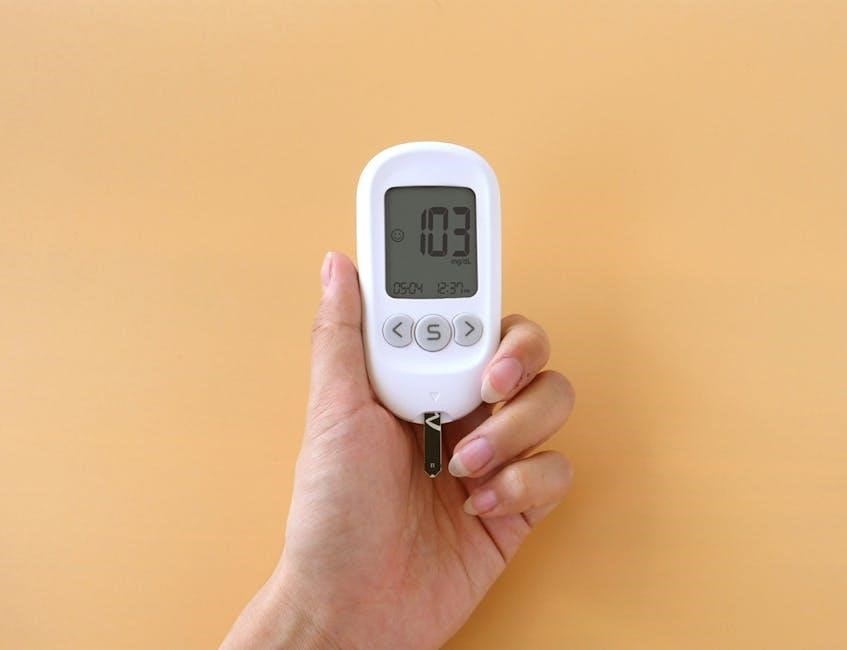
Wristech Blood Pressure Monitor Manual: A Comprehensive Guide
Wristech offers a convenient, portable way to monitor your health; its digital display and memory functions empower proactive blood pressure management at home.
Understanding Your Wristech Monitor
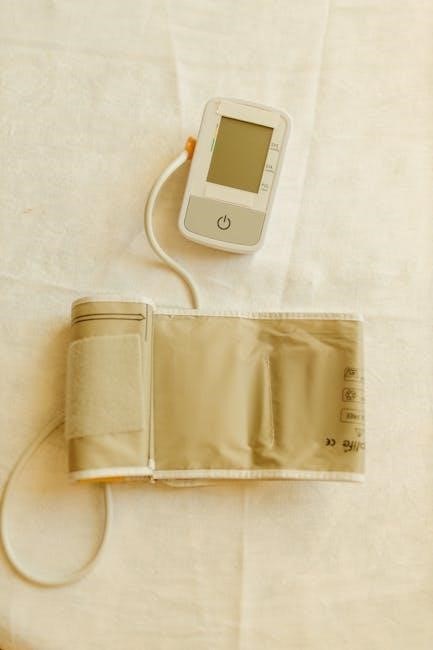
Your Wristech blood pressure monitor is a sophisticated yet user-friendly device designed for convenient home health monitoring. Unlike traditional arm cuffs, this monitor utilizes an oscillometric method to measure blood pressure at the wrist, offering portability and ease of use.
The compact size makes it ideal for travel or quick checks throughout the day. It features a digital display presenting systolic and diastolic readings, alongside pulse rate. Many models incorporate memory storage, allowing you to track trends over time. Understanding the components – the cuff, the monitor unit, and the display – is crucial for accurate operation. Familiarize yourself with the buttons for power, start/stop, and memory recall to maximize the benefits of your Wristech monitor.
Key Features and Benefits
The Wristech blood pressure monitor boasts several key features enhancing user experience and health management. Its primary benefit is portability – easily carried for readings anywhere, anytime. The digital display provides clear, readily understandable results, eliminating guesswork. Memory functions store historical data, enabling trend analysis and informed discussions with healthcare providers.
Beyond convenience, Wristech monitors offer accuracy comparable to traditional methods when used correctly. Features like irregular heartbeat detection add an extra layer of health insight. The one-button operation simplifies the measurement process, making it accessible for all ages. Ultimately, Wristech empowers proactive health monitoring, promoting early detection and better management of blood pressure.
Package Contents
Your Wristech blood pressure monitor package should include the following items, ensuring you have everything needed for immediate use; First, you’ll find the Wristech blood pressure monitor unit itself, a compact and portable device designed for convenient home monitoring. Included is a wrist cuff, specifically sized for accurate readings on the wrist.
Additionally, the package contains a user manual, providing detailed instructions on setup, operation, and troubleshooting. Batteries are also included, allowing you to begin taking measurements right away; Finally, a quick start guide offers a simplified overview for immediate use. Please verify all components are present upon opening the package; contact customer support if anything is missing.
Setting Up Your Wristech Monitor
Before first use, carefully unpack your Wristech monitor and all included accessories. Begin by inserting the batteries, ensuring correct polarity as indicated within the battery compartment. Familiarize yourself with the monitor’s buttons and display screen, referencing the user manual for detailed explanations of each function.
Next, attach the wrist cuff to the monitor, verifying a secure connection. It’s crucial to set the date and time on the device for accurate data tracking. The monitor may prompt you through this process upon initial power-up. Ensure the cuff is appropriately sized for your wrist to guarantee accurate readings. Proper setup is vital for reliable blood pressure monitoring.
Installing Batteries
To install batteries in your Wristech monitor, locate the battery compartment, typically on the back or side of the device. Gently slide off the battery cover. Insert the required number of batteries (usually AA or AAA, check your model’s specifications), paying very close attention to the polarity markings – positive (+) and negative (-).
Incorrect battery installation can damage the monitor. Ensure the batteries are securely seated within the compartment. Replace the battery cover until it clicks into place. The display should illuminate briefly, confirming successful battery installation. Regularly check battery levels, as low batteries can affect reading accuracy.
Attaching the Cuff Correctly
Proper cuff attachment is crucial for accurate readings with your Wristech monitor. Position the cuff on your bare wrist, approximately one inch from the crease of your hand; Ensure the artery marker on the cuff aligns with your radial artery – feel for your pulse on the thumb side of your wrist.
The cuff should be snug, but not overly tight; you should be able to comfortably slide one finger underneath it. Avoid applying the cuff over clothing, as this can distort results. Secure the cuff using the provided Velcro strap, ensuring it’s firmly in place but doesn’t constrict circulation. A correctly fitted cuff is essential for reliable blood pressure measurements.
Taking Accurate Blood Pressure Readings
Achieving accurate readings with your Wristech monitor requires consistent technique. Before each measurement, rest for five minutes in a quiet room. Avoid caffeine, exercise, and smoking for at least 30 minutes beforehand. Sit comfortably with your back supported and feet flat on the floor.
Maintain a relaxed arm position, supported at heart level. Follow the on-screen prompts, remaining still and silent during the measurement process. Multiple readings, spaced a minute apart, are recommended for greater reliability. Remember, proper preparation and a calm environment significantly impact the accuracy of your results.
Proper Positioning and Posture
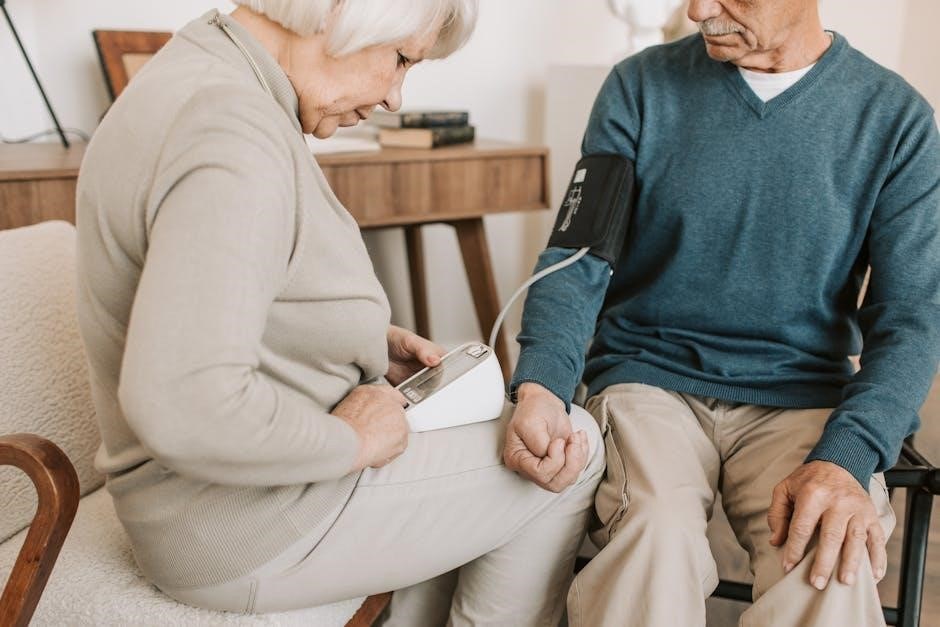
Optimal positioning is crucial for reliable blood pressure measurements with your Wristech monitor. Sit upright in a chair with back support, ensuring your feet are flat on the floor – avoid crossing your legs. Your arm should be relaxed and supported at heart level; a slight bend at the elbow is ideal.
Ensure the monitor is positioned correctly on your wrist, following the guidelines in the ‘Attaching the Cuff Correctly’ section. Avoid talking or moving during the measurement. Maintaining this posture minimizes interference and contributes to accurate readings, providing a clearer picture of your cardiovascular health.
Measurement Process – Step-by-Step
Begin by sitting quietly for five minutes, adhering to the ‘Proper Positioning and Posture’ guidelines. Securely attach the Wristech cuff to your non-dominant wrist, ensuring a snug but comfortable fit. Press the ‘Start’ button and remain still throughout the measurement – avoid talking or moving.
The cuff will inflate automatically, and after approximately 30 seconds, the reading will display on the screen, showing systolic and diastolic values, alongside your pulse rate. Record these results immediately for tracking purposes. Repeat the process if necessary, waiting a few minutes between measurements for accurate data.
Understanding Systolic and Diastolic Readings
Blood pressure is recorded as two numbers: systolic and diastolic, measured in millimeters of mercury (mmHg). Systolic pressure, the top number, represents the force your heart exerts when beating. Diastolic, the bottom number, measures the pressure in your arteries between beats when your heart rests.
A typical reading might be 120/80 mmHg. Elevated systolic readings often indicate stiffening of arteries with age, while high diastolic pressure can suggest increased resistance in blood vessels. Understanding both values provides a comprehensive view of your cardiovascular health, aiding in interpreting results effectively.
Interpreting Your Results
Analyzing your Wristech monitor readings requires understanding blood pressure categories. Normal blood pressure is generally considered below 120/80 mmHg. Elevated readings range from 120-129 systolic and less than 80 diastolic. Stage 1 hypertension is 130-139 systolic or 80-89 diastolic, while Stage 2 is 140/90 mmHg or higher.
Consistent readings outside the normal range warrant attention. Remember, a single high reading doesn’t necessarily indicate hypertension; multiple elevated readings over time are more significant. Regularly tracking and reviewing your data helps identify trends and informs discussions with your healthcare provider.
Blood Pressure Categories Explained
Understanding blood pressure classifications is crucial for interpreting your Wristech monitor’s readings. Normal blood pressure falls below 120/80 mmHg, indicating healthy cardiovascular function. Elevated blood pressure is defined as systolic readings between 120-129 mmHg and diastolic below 80 mmHg – a warning sign.
Hypertension is categorized into stages. Stage 1 (130-139/80-89 mmHg) requires lifestyle changes and monitoring. Stage 2 (140+/90+ mmHg) often necessitates medical intervention. A hypertensive crisis, exceeding 180/120 mmHg, demands immediate medical attention. Consistent monitoring with your Wristech device aids in accurate categorization and proactive health management.
What to Do with Abnormal Readings
If your Wristech monitor displays consistently high or low readings, avoid immediate panic. First, re-test following all instructions carefully – proper technique is vital. Record multiple readings over several days, noting the time and conditions. Elevated readings don’t automatically require emergency action, but warrant attention.
Share your recorded data with your healthcare provider for professional evaluation. Do not self-treat or adjust medications based solely on home readings. A single high reading isn’t necessarily indicative of a problem, but a pattern should be discussed with a doctor. Your Wristech monitor is a tool for awareness, not diagnosis.
Memory Function and Data Review
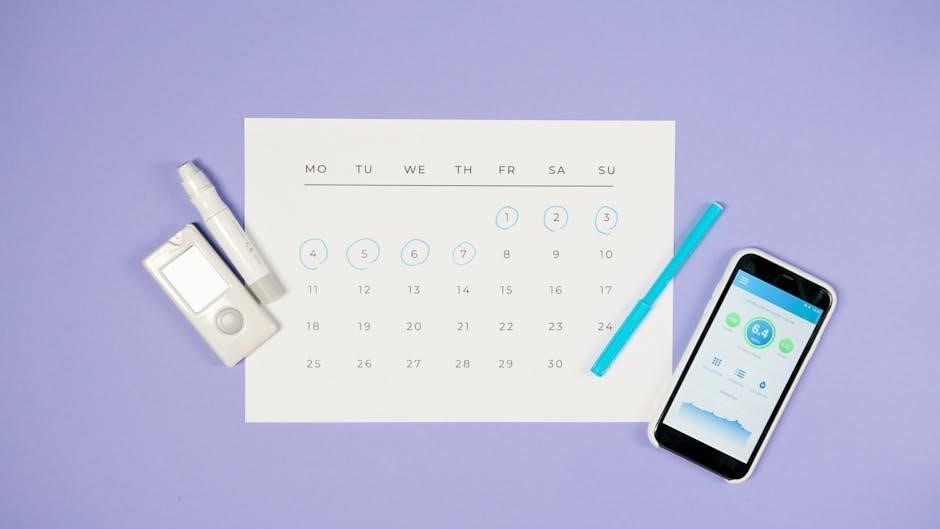
Your Wristech blood pressure monitor is equipped with a memory function, allowing you to store and track your readings over time. This feature is invaluable for identifying trends and providing your doctor with a comprehensive overview of your blood pressure health. The manual details how many readings the device can typically store.
To access stored data, use the ‘Memory’ or ‘Recall’ button as described in the ‘Setting Up’ section. You can usually scroll through past readings, often displayed with date and time stamps. Regularly reviewing this data helps you understand how lifestyle factors impact your blood pressure, aiding in proactive health management.
Storing and Recalling Past Readings
The Wristech monitor automatically saves each blood pressure measurement with its corresponding date and time. Accessing this historical data is simple: press the ‘Memory’ button to initiate recall. Subsequent presses will cycle through previously recorded readings, displayed clearly on the digital screen.
The manual specifies the maximum storage capacity – typically ranging from 30 to 60 readings. When the memory is full, older readings are overwritten with new ones. To preserve important data, consider manually recording readings in a separate logbook. Regularly reviewing stored data allows for effective tracking of your blood pressure trends over time.
Calculating Average Readings
Your Wristech monitor simplifies tracking blood pressure trends by automatically calculating average readings. After recalling a series of stored measurements – typically the last three – press and hold the ‘Average’ button. The device will then display the mean systolic and diastolic values for that selected period.
This feature is invaluable for identifying patterns and assessing the effectiveness of lifestyle changes or medication. The manual emphasizes that averaging readings provides a more comprehensive picture than relying on single measurements. Consistent monitoring and average calculation contribute to better informed discussions with your healthcare provider, leading to optimized blood pressure management.
Troubleshooting Common Issues
If your Wristech monitor displays an error code, consult the manual’s dedicated section for specific meanings. Inconsistent readings often stem from improper cuff placement or movement during measurement. Ensure the cuff is snug, positioned correctly on your wrist, and you remain still throughout the process.
If the monitor fails to power on, verify battery installation and replace if needed. Difficulty inflating the cuff may indicate a leak; inspect the tubing and cuff for damage. Remember, external factors like cold temperatures can affect accuracy. Regularly reviewing the manual’s troubleshooting guide can resolve many common issues quickly and efficiently.
Error Codes and Their Meanings
Wristech monitors utilize error codes to signal potential problems during operation. “Err 1” typically indicates a measurement error, often due to movement or an improperly fitted cuff. “Err 2” suggests the internal pump isn’t functioning correctly, potentially requiring service. “Err 3” may signal a low battery, even if the indicator doesn’t display it.

A flashing “C” indicates cuff pressure issues, while a continuous “C” suggests the cuff is too tight. Always refer to your specific model’s manual for a complete list and detailed explanations of each code. Ignoring error codes can lead to inaccurate readings; addressing them promptly ensures reliable blood pressure monitoring.
Dealing with Inconsistent Readings
Wristech monitors, like all blood pressure devices, can occasionally produce inconsistent results. If readings vary significantly, avoid averaging them immediately. Retake the measurement after a few minutes, ensuring proper positioning and a relaxed state. Multiple readings, spaced apart, provide a more accurate assessment.
Check the cuff for correct placement and tightness. External factors like caffeine, exercise, or stress can also influence readings. If inconsistencies persist, compare with readings taken using a traditional upper-arm monitor. Consult your healthcare provider if you consistently observe erratic results, as it may indicate a device malfunction or underlying health concern.
Maintenance and Care
Wristech blood pressure monitors require minimal maintenance to ensure accuracy and longevity. Regularly clean the cuff with a slightly damp cloth; avoid harsh chemicals or abrasive cleaners. Inspect the cuff for cracks or leaks, replacing it if damaged. The monitor’s casing can be wiped down with a soft, dry cloth.
Store the device in a cool, dry place, away from direct sunlight and extreme temperatures. Avoid dropping or subjecting the monitor to strong impacts. Proper battery storage and timely replacement are crucial for optimal performance. Following these simple steps will help maintain the reliability of your Wristech monitor.
Cleaning the Cuff and Monitor
Wristech recommends gentle cleaning for both the cuff and monitor. Disconnect the cuff from the monitor before cleaning. Use a soft, slightly damp cloth with mild detergent to wipe the cuff’s surface. Avoid using abrasive cleaners, solvents, or excessive water, as these can damage the material.
For the monitor itself, use a dry, soft cloth to wipe the casing. Never immerse the monitor in water. Ensure both the cuff and monitor are completely dry before reassembling or using. Regular cleaning helps maintain hygiene and ensures accurate readings from your Wristech blood pressure monitor.
Battery Replacement Guidelines
Wristech monitors typically require standard batteries, often AA or AAA size – check your model’s specifications. When the low battery indicator appears on the display, promptly replace the batteries to ensure accurate readings. Always use new batteries of the same type and avoid mixing old and new batteries.
Open the battery compartment located on the monitor and insert the batteries according to the polarity markings (+ and -). Ensure the batteries are securely in place. Dispose of used batteries responsibly, following local regulations. Regular battery replacement maintains consistent performance of your Wristech blood pressure monitor.
Safety Precautions
Wristech blood pressure monitors are designed for home use, but certain precautions are vital. Do not use the monitor during physical activity or while experiencing significant stress. Avoid taking measurements on an arm with an AV fistula or other vascular impairment. This device is not intended for continuous monitoring or diagnosis.
Keep the monitor dry and away from extreme temperatures or direct sunlight. Never disassemble or attempt to repair the device yourself; contact qualified service personnel for assistance. Ensure the cuff is not applied too tightly, and discontinue use if you experience discomfort. Always consult your physician for interpretation of results and medical advice.
Contraindications and Warnings
Wristech monitors are not suitable for all individuals. Do not use if you have a history of cardiac arrhythmia, such as atrial fibrillation, as it may affect accuracy. Individuals with severe peripheral arterial disease should exercise caution, as readings may be inaccurate. This device is not intended for use on children without medical supervision.
Avoid using the monitor if you’ve had a mastectomy or lymph node removal on the measurement arm. Be aware that certain medications can influence blood pressure readings; consult your doctor. If you experience persistent discomfort, pain, or numbness during or after measurement, discontinue use and seek medical attention immediately.
When to Consult a Doctor
Wristech monitors provide valuable insights, but aren’t a substitute for professional medical advice. Consult your doctor if you consistently experience readings outside the normal range (typically above 140/90 mmHg or below 90/60 mmHg), even after repeated measurements. Seek immediate medical attention if you experience symptoms like severe headache, blurred vision, chest pain, or difficulty breathing alongside high blood pressure readings.
Regularly share your recorded data with your physician for comprehensive health management. Don’t self-treat based solely on monitor readings; a doctor can accurately diagnose and manage any underlying conditions. If you notice sudden or drastic changes in your blood pressure, consult a healthcare professional promptly.