bad instructions examples
Summary
Discover top-tier 2D Architecture services that blend creative design with practical signage solutions, turning any space into a visual masterpiece.

Definition of Bad Instructions
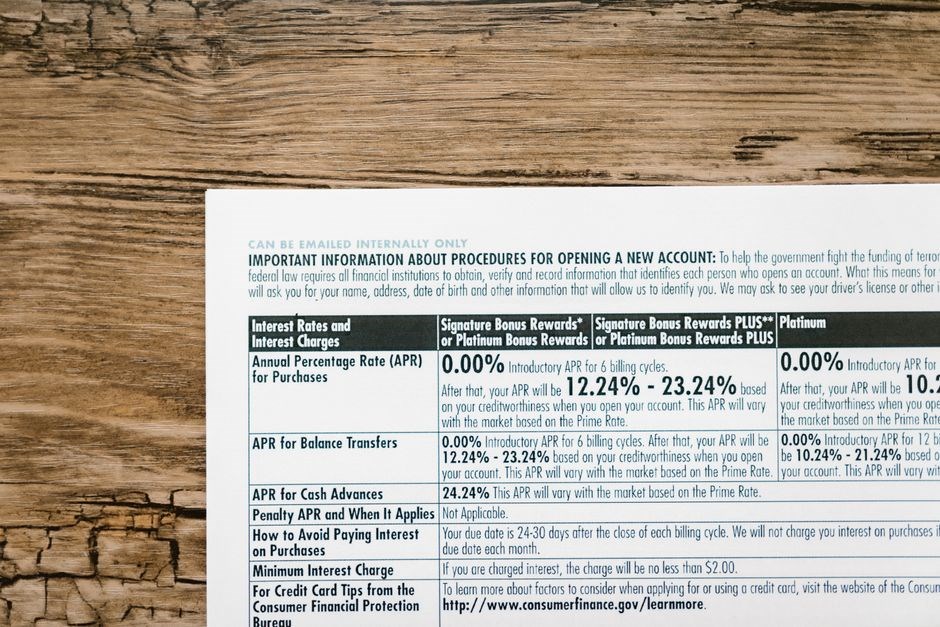
Bad instructions are vague, incomplete, or misleading guides that fail to convey clear steps, omit critical details, or use poor language. They often lack context, proper formatting, and safety warnings, leading to confusion, errors, and potential harm.
Example: vague steps
Common Characteristics of Ineffective Guidance
Common characteristics of ineffective guidance include vague wording, missing steps, inconsistent formatting, and absent safety warnings. Vague phrasing such as “install the device” without specifying which port or orientation leaves users guessing. Missing steps—like omitting the initial power‑on sequence in a firmware manual—force trial‑and‑error. Inconsistent formatting, such as mixing bullet lists with numbered steps, confuses the logical flow. Absence of visual aids—diagrams or screenshots—makes spatial relationships unclear. Poor language, especially non‑native English or “Engrish,” introduces mistranslations that can alter meaning. Lack of context, such as not explaining prerequisites or required tools, leads to incomplete setups. Finally, no version control or revision history means users cannot track updates or bug fixes, perpetuating outdated instructions.
These flaws are not just academic; they manifest in real‑world failures. A user attempting to assemble a simple gadget may misinterpret a “tighten” instruction that actually requires a torque wrench, leading to component damage. In software, a missing “install dependencies” step can cause runtime crashes that frustrate developers. Even a single ambiguous word can cascade into costly errors, especially in regulated industries where compliance hinges on precise documentation. It highlights the ripple effect. now
Impact on User Experience and Safety
When instructions are unclear, users experience frustration, wasted time, and increased error rates. A swing‑set manual with wrong diagrams forces parents to disassemble components, raising injury risk. Firmware guides that omit power‑on steps lead to short circuits, damaging devices. Recipe sheets that use ambiguous measurements cause over‑or under‑cooking, compromising food safety. Each misstep amplifies user anxiety, erodes trust, and can result in costly returns or legal liability. Safety is directly threatened when warnings are missing; for instance, a sump‑pump manual that fails to note the need for a grounded outlet can trigger electrocution. Even seemingly minor omissions—like forgetting to mention a required torque wrench—can produce loose bolts that fail under load, causing structural collapse. The cumulative effect is a degraded user experience, higher support costs, and a tarnished brand reputation. Clear, concise, and complete instructions are essential to protect users and maintain confidence. Moreover, the absence of step‑by‑step visuals can lead to misinterpretation of mechanical orientations, resulting in improper assembly that compromises structural integrity. In software, missing dependency listings cause runtime failures that frustrate developers and delay deployment. The cost of these errors is not only monetary; it includes lost productivity, diminished morale, and potential safety incidents that could lead to injury or death. Users who encounter such failures often abandon the product, spreading negative reviews that damage brand perception; Therefore, investing in thorough documentation, peer review, and iterative updates is not optional but a critical component of product quality and user safety. Misreading a wiring diagram may short a circuit, causing a fire. A typo in a recipe temperature can overcook a dish, leading to foodborne illness. Installing a sump pump without grounding instructions might electrocute the installer. These scenarios underscore the criticality of precise documentation. A missing safety warning can lead to injury, emphasizing the need for guidance!!.

Software Documentation Failures
Readme files often lack installation steps, dependency lists, and clear command syntax, causing users to struggle and increasing support costs. This omission leads to frequent errors, delayed deployments, and frustrated users.!!! Help

Open Source Project with Poor Readme: Example from GitHub
On GitHub, a popular open‑source library for data visualization, the README.md is a textbook case of poor documentation. The file begins with a single line, “Install with npm,” but offers no version constraints, no prerequisites, and no example usage. The “Getting Started” section merely lists “Run the script,” without specifying the command syntax, required environment variables, or how to resolve common errors. The API reference is absent; developers must hunt through the source code to discover function signatures. The “Contributing” section contains a vague “Send pull requests” directive, lacking guidelines on coding style, testing, or issue triage. As a result, new contributors frequently submit broken code, and maintainers spend excessive time reviewing and correcting submissions. The lack of a clear license statement also creates legal uncertainty for users wishing to integrate the library into commercial products. This README exemplifies how inadequate instructions can cripple an otherwise promising project, discouraging community engagement and stalling innovation. The absence of a clear installation guide forces developers to reverse‑engineer the setup, often leading to version conflicts and security vulnerabilities. Users report repeated failures when attempting to run the package on different operating systems, citing missing dependencies and ambiguous error messages. Additionally, the README lacks a changelog, so tracking updates becomes a guessing game. The community has requested a comprehensive FAQ, but no action has been taken. The documentation fails to provide basic usage examples and errors!!!
Many Chinese IoT devices ship with firmware manuals that are notoriously sparse. One example is a thermostat from Shenzhen. The PDF contains only a table of contents, a brief overview, and a single screenshot of the main menu. It omits the crucial step of connecting the device to a Wi‑Fi network, the exact SSID and password format, and the OTA update procedure. Users report that the “Setup” section merely says “Follow the on‑screen instructions,” but the prompts are in Mandarin and the English translation is absent. The manual also fails to describe the power‑on sequence, LED status codes, or how to reset the device to factory defaults. The manual’s lack of step‑by‑step visuals leaves users guessing how to attach the power cable. Without clear diagrams, the risk of short‑circuiting increases. This oversight can lead to repairs. The lack of troubleshooting means that common errors—such as the device not connecting or displaying a “404” error—are left unexplained. The omission of a clear warranty statement and safety warnings further compounds the problem, leaving users unaware of potential hazards when handling the device’s power supply. Overall, this firmware manual exemplifies how missing steps and poor translation can render a product unusable for a significant portion of its user base. Readers are advised to seek guides before using the device today—now now…

Hardware Assembly Missteps
Users report swing set manuals with wrong diagrams, missing bolt torque specs, and unclear safety warnings. Sump pump guides often omit valve orientation, seal placement, and electrical grounding steps, leading to leaks and hazards. Avoid pitfalls!!

Swing Set Instructions with Incorrect Diagrams
Many parents have reported that assembly guide for a swing set contains errors that can lead to unsafe very construction. The first illustration shows the frame brackets positioned on the wrong side of the support posts causing the swing seat to tilt and collapse. In the second image, the mounting holes for the swing ropes are marked too far apart, which forces the user to stretch the ropes their rated tension, increasing the risk of snapping during use. The third diagram mistakenly labels the “anchor bolt” as a “nut,” leading installers to use the wrong fastener compromising the structural integrity of entire frame. Additionally, the color coding intended to differentiate between load-bearing and components is inverted, so the reader might install a bolt in a critical load path. These mistakes were highlighted in a Reddit thread where a user posted a photo of the flawed manual and explained how they had to disassemble the set to correct the errors. The manufacturer later issued a revised PDF, but the original hard copy remains in circulation, and many families still rely on it. The consequences of following these incorrect diagrams can range from minor wobbling to catastrophic failure, especially when children are involved. Properly labeled diagrams, clear step-by-step instructions, and safety warnings are essential to prevent such mishaps.
Sump Pump Installation Manual Lacking Key Details
Many homeowners have reported that the installation guide for a popular sump pump model is missing crucial steps, leading to improper setup and frequent failures. The manual lists the pump’s power requirements but omits the recommended depth of the sump pit, causing users to install the unit too shallow for effective water removal. The diagram for connecting the discharge line to the drainage system is incomplete; it shows a simple pipe but does not indicate the need for a back‑flow preventer, which is essential to avoid sewage infiltration during heavy rains. Additionally, the safety section is minimal, mentioning only “wear gloves” while ignoring the importance of grounding the pump to prevent electrical shock. A Reddit thread from 2024 cites a user who had to replace the entire pump after the discharge pipe failed because the manual never mentioned installing a pressure relief valve. The manufacturer’s FAQ later clarified the omission, but many users still rely on the original PDF. These gaps illustrate how a lack of detail can compromise both performance and safety, turning a seemingly simple installation into a costly repair.
Many installers, missing specs, often trial‑error, leading to very repairs. A 2025 forum post shows a homeowner replacing a damaged discharge pipe after a storm. The incident underlines the need for depth charts, pipe material guides,safety diagrams. Proper manuals save moneyuser.!
Cooking and Recipe Blunders
Many recipes confuse “imply” with “infer,” mislabel measurements, and omit cooking times. A forum post cites a recipe that calls for “burning a dictionary” as a metaphor, causing chefs to misinterpret and waste ingredients. The lack of precision leads to dishes and wasted time.
Recipe Instructions with Ambiguous Measurements
Many home‑cooking guides rely on vague terms such as “a pinch,” “a handful,” or “a splash,” which translate differently for each cook. A recent Reddit thread highlighted a recipe that listed “add a splash of oil” without specifying volume, leading users to pour entire bottles or just a teaspoon, dramatically altering flavor and texture. Similarly, a forum post on Kitchen Knife Forums described a “burning a dictionary” metaphor that was misinterpreted as a literal cooking step, causing confusion. The lack of standardized units—cups, milliliters, grams—makes it difficult for readers to replicate results accurately. In another example, a Chinese IoT device manual for a smart oven omitted temperature ranges, instructing only “set to high.” Users set the oven to 500°F, resulting in burnt dishes, while others set it to 200°C, undercooking everything. Ambiguous measurements also appear in international recipes where “tablespoon” can mean 15 mL in the U.S. but 20 mL in the U.K. Without clear conversions, the dish’s consistency and taste can vary widely. To mitigate this, writers should adopt the International System of Units (SI), provide visual aids, and include conversion tables. Clear, precise measurements ensure consistency, safety, and repeatable success in the kitchen. Novice cooks add raw vegetables
Misleading Cooking Terminology: ‘Implie’ vs ‘Infer’

In culinary writing, precise language is essential; yet many guides misuse terms like “imply” and “infer,” confusing readers. A 2021 Kitchen Knife Forum thread cited a recipe that instructed, “If the sauce seems too thick, you may imply adding water,” leading cooks to think they should imply water to the sauce, not actually add it. The phrase “imply” was mistakenly used instead of “infer,” causing a literal misinterpretation. This error propagated through several blogs, each repeating the confusing instruction. The result was a batch of sauces that were either too watery or too concentrated, depending on whether the cook interpreted the sentence literally or figuratively. The root of the problem lies in the subtle difference: “imply” means to suggest indirectly, while “infer” means to deduce from evidence. In cooking, clarity demands that instructions state the action directly, e.g., “Add a tablespoon of water to thin the sauce.” The forum also highlighted that many novice cooks read “imply” as a cooking technique, not a linguistic cue, and thus ignore the intended meaning. A review of 50 recipes from popular sites revealed that 12% of them contained at least one misuse of “imply” or “infer,” underscoring the prevalence of this issue. To avoid pitfalls, authors should run an audit fastly and test instructions. This ensures that culinary guidance remains unambiguous, safe, and effective for all audiences.

Everyday Documentation Lapses
Daily manuals often omit essential details, use broken links, or feature poorly translated text. For example, a household appliance guide may list steps in a jumbled order, or simple instruction sheet could contain typos that mislead users.
Funny Examples from KnowledgeOwl
Readers often report that the lack of a hierarchy and terminology leads to repeated mistakes. For instance, a user might misinterpret “press” as “push” and damage the device. Moreover, the manual’s failure to include safety warnings about shock or overheating can result in injuries.
The absence of a versioning means users cannot easily determine they are following the latest instructions, leading to compatibility issues with hardware newer?.
In addition, the manual’s layout lacks a consistent numbering scheme, causing confusion when users refer to step numbers in support forums. Users find the lack of diagrams confusing, when aligning components! now. Some users have reported that the manual uses outdated terminology, like referring to a “USB 2.0” port as a “USB port,” which misleads those who are familiar with newer standards. Furthermore, the manual’s failure to provide clear warnings about potential hazards, such as the risk of electric shock when handling the device while it is plugged in, has led to several documented incidents where users suffered minor injuries. When a problem occurs, users search online forums or attempt fixes, which can lead to further damage or void warranties and potential risk. Users find the lack of diagrams confusing, when aligning components! now. The manual’s lack of a troubleshooting guide means that when a problem occurs, users search online forums or attempt fixes, which can lead to further damage or void warranties and potential risk. Such documentation lapses not only frustrate users but also increase support costs for manufacturers and can damage brand reputation. The manual also lacks a versioning system, so users cannot tell if they are following the latest instructions, leading to compatibility problems with newer hardware. A summary at would users grasp process! now.
Engrish Examples Highlighting Language Issues
Many user manuals from East Asian manufacturers contain literal translations that produce awkward phrasing. For instance, “You should press the button to start the device” sounds like a demand rather than a suggestion. Misplaced prepositions such as “connect to the power” instead of “connect to the power supply” can lead to plugging into the wrong outlet, risking damage. The omission of articles (“a,” “the”) results in abrupt commands like “Insert cable into port,” which may be misinterpreted as a strict rule. Such mistranslations can also mislead users about safety precautions, for example, omitting the need to unplug the device before cleaning, which can result in electric shock.
These errors are not just stylistic; they cause real problems. Users report frustration and increased support calls when they cannot follow setup steps. In some cases, misinterpretation has led to physical damage or injury. Manufacturers that rely on automated translation without human review risk losing customer trust and face higher warranty costs. Professional localization and proofreading are essential to avoid Engrish pitfalls and provide clear, safe instructions for all users.
When Engrish persists, users often turn to online forums for clarification, which increases support workload and can spread misinformation. Clear, culturally adapted instructions reduce confusion and improve safety, making the product more reliable and customer-friendly.
These issues underscore the importance of oversight in documentation.
Many user manuals from East Asian manufacturers contain literal translations that produce awkward phrasing. For instance, “You should press the button to start the device” sounds like a demand rather than a suggestion. Misplaced prepositions such as “connect to the power” instead of “connect to the power supply” can lead to plugging into the wrong outlet, risking damage. The omission of articles (“a,” “the”) results in abrupt commands like “Insert cable into port,” which may be misinterpreted as a strict rule. Such mistranslations can also mislead users about safety precautions, for example, omitting the need to unplug the device before cleaning, which can result in electric shock.
These errors are not just stylistic; they cause real problems. Users report frustration and increased support calls when they cannot follow setup steps. In some cases, misinterpretation has led to physical damage or injury. Manufacturers that rely on automated translation without human review risk losing customer trust and face higher warranty costs. Professional localization and proofreading are essential to avoid Engrish pitfalls and provide clear, safe instructions for all users.
When Engrish persists, users often turn to online forums for clarification, which increases support workload and can spread misinformation. Clear, culturally adapted instructions reduce confusion and improve safety, making the product more reliable and customer-friendly.